Plant Damage Recovery Tips After a Freeze in Florida
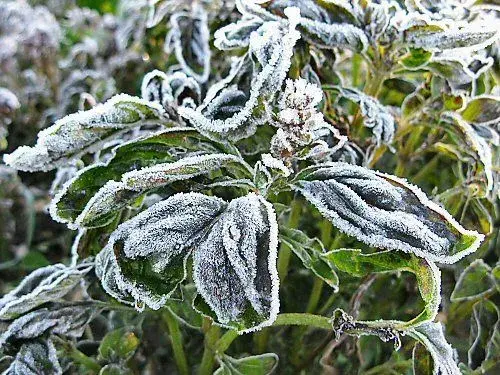
When a rare Florida freeze sweeps through, it can leave your home landscape looking wilted and weary. But don’t panic—many plants are surprisingly resilient, and with the right care, your garden can bounce back beautifully.
1. Assess the Damage—But Don’t Rush
After a freeze, resist the urge to start trimming right away. Some plants may look dead but are only superficially damaged. Wait until the weather warms and new growth appears, usually in early spring, before pruning away brown or mushy leaves and stems.
2. Water Wisely
Give your plants a gentle drink once the soil has thawed. Avoid overwatering—roots can rot if the ground stays soggy. Moist (not wet) soil helps plants recover from freeze stress.
3. Hold Off on Fertilizer
It’s tempting to feed your plants to boost recovery, but wait until you see signs of new growth. Fertilizing too soon can stress already weakened plants.
4. Prune with Care
Once you’re sure which parts are truly dead, use clean, sharp pruners to remove damaged foliage. Cut back to healthy, green tissue. For palms and other tropicals, be especially gentle—some may take months to recover.
5. Mulch for Protection
Add a layer of mulch around the base of your plants to regulate soil temperature and retain moisture. This helps roots recover and prepares your landscape for future cold snaps.
6. Watch for Pests and Disease
Stressed plants are more vulnerable to bugs and fungi. Keep an eye out for unusual spots, holes, or wilting, and treat promptly if problems arise.
7. Be Patient—Nature Is Resilient
Florida plants are tough! Often, what looks like a lost cause will surprise you with lush new growth. Give your landscape time to recover before replacing plants.
With a little patience and care, your Florida garden can thrive again after a freeze. Remember, every cold snap is a lesson in resilience—for you and your plants!
Categories
Recent Posts